


How Kia Puts Safety to the Test
When you buy a new Kia, you’re trusting that vehicle with something important: your safety and the safety of the people riding with you.
But what does Kia do to make sure its vehicles are ready for the real world?
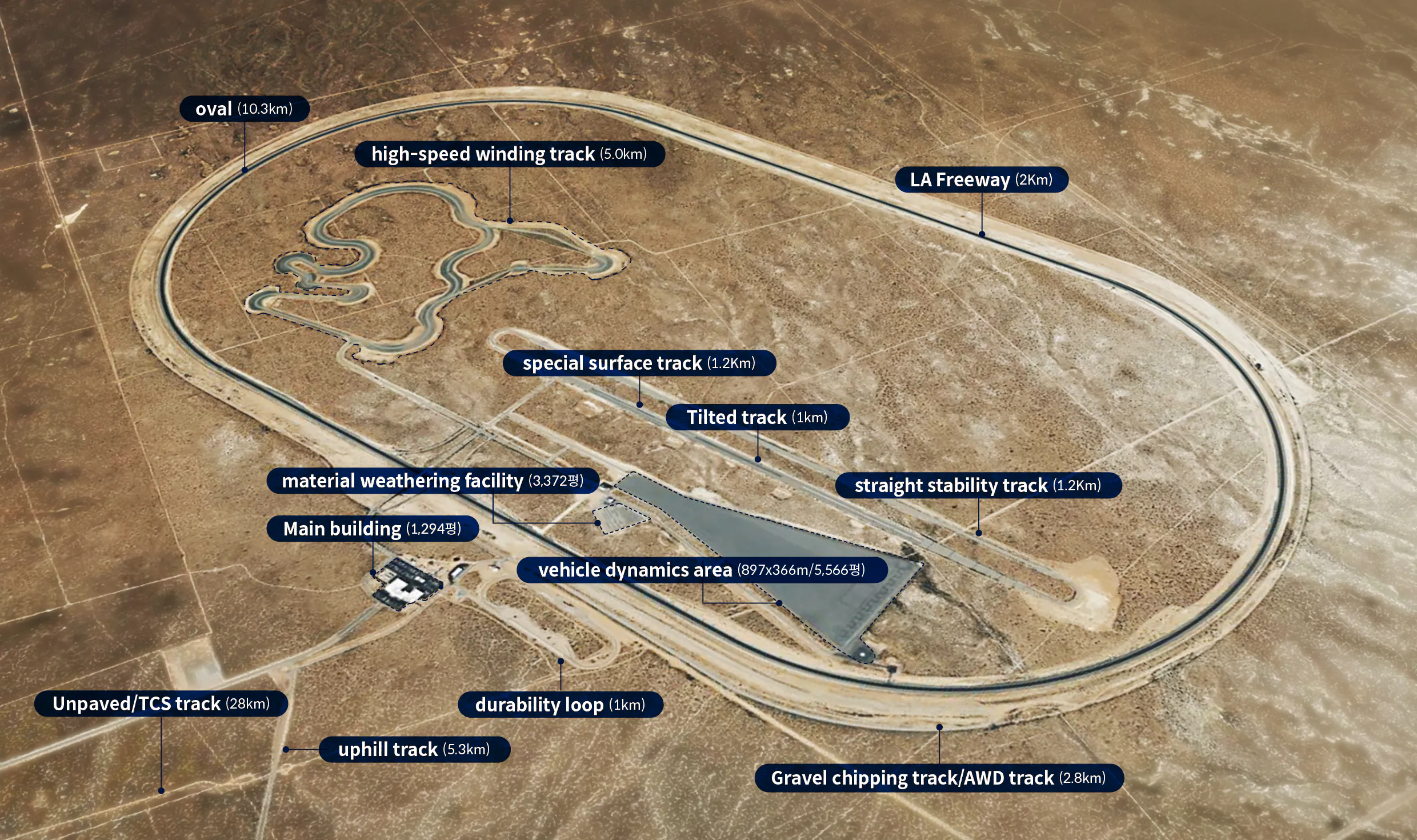
Before a new Kia reaches a dealership, it goes through an extensive engineering and validation process designed to test how the vehicle performs in a wide range of conditions. Engineers evaluate everything from braking and handling to ride comfort, technology, ergonomics, durability, and performance.
And while no vehicle can eliminate every risk on the road, this extensive testing helps Kia identify opportunities to improve the vehicle before customers ever get behind the wheel.
For shoppers looking for a safe new Kia in Massillon, understanding what happens behind the scenes can provide another reason to take a closer look at the latest Kia lineup.
Safety Starts Long Before a Kia Reaches the Dealership
Vehicle safety isn’t simply about adding a few driver-assistance features after a vehicle has been designed.
Safety is part of a much larger engineering process.
Kia engineers use a combination of:
- Digital simulations
- Physical prototypes
- Proving-ground AND public-road testing
- Braking evaluations
- Handling tests
- Ride and comfort testing
- Temperature and weather testing
- Off-road testing
- Towing evaluations
- Component and dimensional measurements
- Production-quality validation
Each test provides information that engineers can use to refine the vehicle.
The goal isn’t just to make one component work correctly. The challenge is making thousands of individual components, systems, and engineering decisions work together as one vehicle.
That’s particularly important when it comes to safety.
A vehicle’s brakes, steering, suspension, tires, driver-assistance systems, visibility, seating position, and overall vehicle dynamics all contribute to the driver’s experience.
Why Real-World Testing Matters
Computer simulations can provide engineers with valuable information, but real roads can introduce variables that are difficult to completely reproduce digitally.
Roads can be wet, icy, steep, rough, uneven, or poorly maintained. Temperatures can change dramatically. Drivers may encounter sudden braking situations, tight corners, heavy traffic, highway speeds, or unexpected obstacles.
That’s why Kia vehicles are tested across different road surfaces and conditions.
Engineers can evaluate how a vehicle responds to changing conditions and then make adjustments where necessary.
This extensive process helps create vehicles that are designed to provide predictable handling, controlled braking, comfortable ride quality, and confident performance in everyday driving.
Braking: One of the Most Important Parts of Vehicle Safety
Brakes might be the most important parts when driving.
Kia’s testing process includes evaluating braking performance under different conditions.
The 2026 Kia Sportage, for example, recently participated in an independent comparison test conducted by German automotive publication auto motor und sport. The Sportage recorded the shortest cold stopping distance among the vehicles tested, stopping from 100 km/h (~62 MPH) in 36.0 meters (~118 ft).
While real-world braking performance can vary based on road conditions, tires, weather, vehicle load, and other factors, independent testing provides another opportunity to see how a vehicle performs outside of Kia’s own development program.
For customers, that’s important because safety isn’t just about what a vehicle is supposed to do on paper. It’s about how the vehicle performs when you actually need it.
Kia Driver-Assistance Technology Adds Another Layer of Protection
Modern Kia vehicles can also be equipped with a variety of advanced driver-assistance technologies designed to help drivers monitor their surroundings and respond to potential hazards.
Depending on the Kia model and trim, available technologies may include features such as:
- Forward Collision-Avoidance Assist
- Blind-Spot Collision Warning
- Blind-Spot View Monitor
- Lane Keeping Assist
- Lane Following Assist
- Highway Driving Assist
- Rear Cross-Traffic Collision-Avoidance Assist
- Smart Cruise Control
- Surround View Monitor
- Parking Collision-Avoidance systems
Feature availability varies by model and trim.
These systems aren’t designed to replace an attentive driver. Instead, they can provide additional information and assistance that may help drivers recognize potential hazards or maintain better awareness.
The Kia Sportage: Safety, Comfort and Everyday Capability
The Kia Sportage provides a good example of how different areas of vehicle development come together.
In a recent independent comparison test, the Sportage competed against several similarly powered compact SUVs across categories including:
- Safety
- Comfort
- Powertrain
- Driving dynamics
- Practicality
- Environmental performance
- Cost
The Sportage ultimately finished first overall.
Importantly, the vehicle didn’t win because of one isolated feature.
It performed consistently across multiple categories, with testers highlighting characteristics including passenger space, cargo capacity, interior quality, seating comfort, ride quality, handling, and braking performance.
That’s an important part of vehicle development.
A safe vehicle isn’t only about what happens during an emergency.
It’s also about creating a vehicle that is comfortable, predictable, easy to operate, and gives the driver the information they need while traveling.
Visibility Can Play an Important Role in Safety
One example of Kia’s approach to driver assistance is the Blind-Spot View Monitor.
When equipped, the system can display a live camera view of the area alongside the vehicle when the driver activates a turn signal.
Why does that matter?
Blind spots can make it more difficult to see vehicles traveling beside you. An additional camera view can give the driver another source of information before changing lanes.
It’s one example of how modern vehicle technology can supplement a driver’s awareness.
What About Kia Electric Vehicles?
Kia’s testing philosophy also extends to its growing lineup of electric vehicles.
The Kia EV3, for example, recently earned recognition in independent testing and was named the 2025 World Car of the Year by an international jury of automotive journalists.
The EV3 also finished first in an electric crossover comparison conducted by German publication Auto Zeitung, with testers recognizing qualities including space, practicality, build quality, ride comfort, electric performance, range, and value.
For EV shoppers, this illustrates something important:
Electric vehicles still need to be evaluated as complete vehicles.
Range and charging are important, but so are braking, handling, ride comfort, visibility, interior ergonomics, safety technology, practicality, and overall driving experience.
Kia Testing Doesn’t Stop at the Proving Ground
One of the most interesting parts of the vehicle development process happens after Kia’s engineers finish their formal testing.
That’s when independent testers take over.
Automotive journalists drive finished vehicles on unfamiliar roads, compare them with competing models, measure performance, and evaluate the overall experience.
Kia can’t control those results.
That’s actually what makes independent testing valuable.
When independent testers recognize the same qualities Kia engineers worked to achieve, such as strong braking, comfortable ride quality, good handling, practical interiors, and effective technology, it provides an outside perspective on the finished product.
Why All This Testing Matters to You
It can be easy to look at a new vehicle and see its price, horsepower, fuel economy, technology, and styling. But there’s a tremendous amount of engineering work happening underneath all of those numbers. Everyday safety can depend on how those individual systems work together.
For example:
Braking + tires + suspension + vehicle dynamics
can influence how confidently a vehicle slows down and responds to an emergency.
Cameras + sensors + driver-assistance software + displays
can work together to provide additional information to the driver.
Seats + visibility + controls + interior design
can influence how easily a driver can see, understand, and interact with the vehicle.
That’s why Kia’s testing process works so well. They work to create a vehicle where the individual pieces work together.
Testing for the Unexpected
Nobody knows exactly what conditions they’ll encounter during their next drive.
A smooth highway could turn into an uneven road. A routine commute could suddenly require hard braking. A weekend trip could involve steep roads, rough surfaces, or changing weather.
Kia’s extensive testing process is designed to expose vehicles to a broad range of conditions before they reach customers. The objective is to identify areas where the vehicle can be improved and refine the final product accordingly.
That means when you step into a new Kia, you’re getting the benefit of years of engineering, testing, measurement, refinement, and validation.
Find a New Kia at Diehl Kia of Massillon
If you’re shopping for a new Kia near Massillon, OH, the best way to understand a vehicle is to experience it yourself.
At Diehl Kia, you can explore the latest Kia models, compare trims and features, ask questions about available safety technology, and take a test drive.
Whether you’re considering the Kia Sportage, Kia Telluride, Kia Sorento, or another Kia model, our team can help you find a vehicle that fits your lifestyle and priorities.
